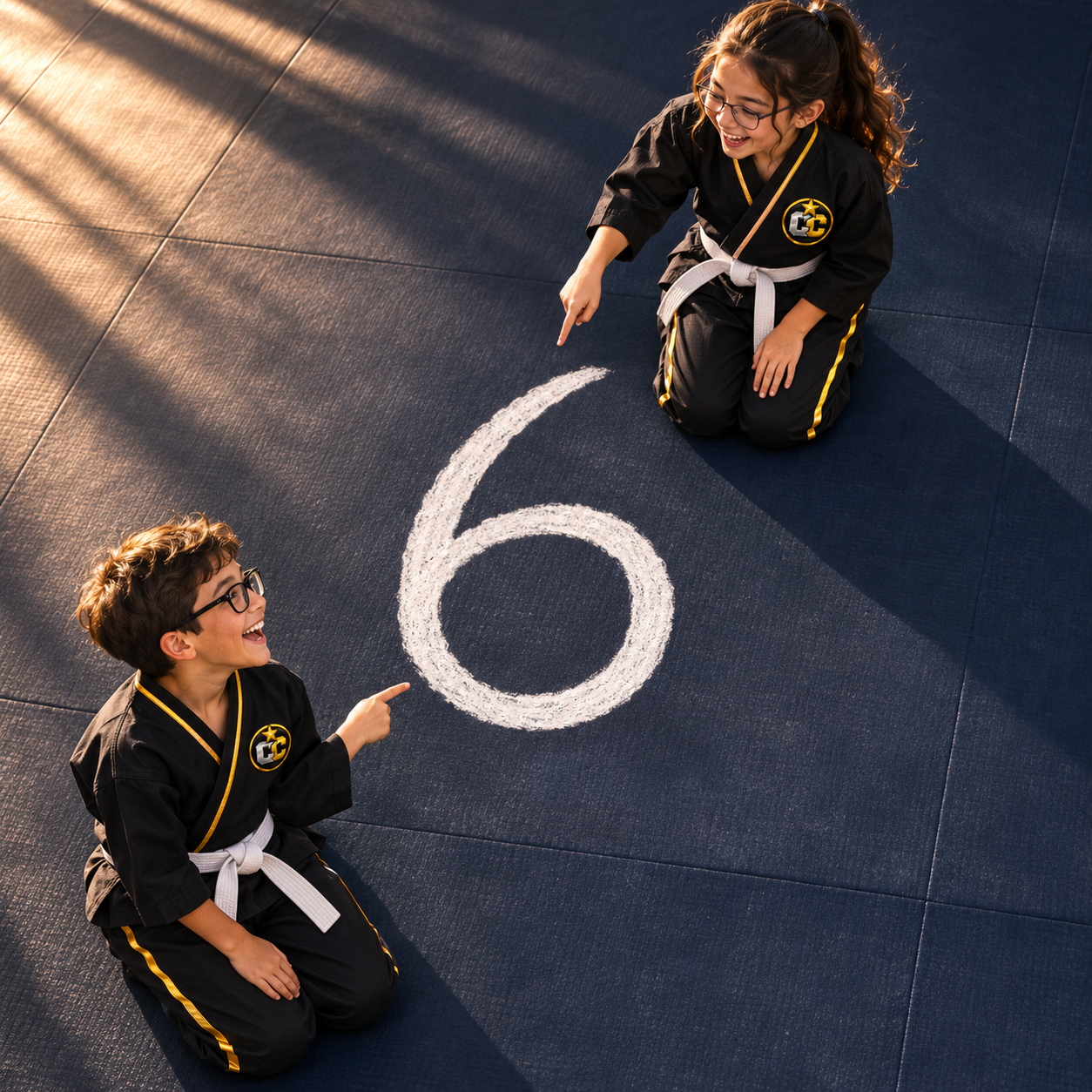
WHAT IS A PARADIGM?
It is the lens you see the world through
A paradigm is the way we see things: ourselves, other people and what happens to us. Think of it as a pair of glasses. If the lenses are tinted, everything you look at takes on that colour, and you do not even notice you are wearing them.
Two things shape a child’s lens more than anything else: the people they surround themselves with, and the way they talk to themselves. If a child sees themselves as a victim, they will act like one. If they see themselves as a leader, they start to act like one.
Through a victim’s lens
- “It’s not fair.”
- “It’s their fault.”
- “I’m rubbish at this.”
- “Why does this always happen to me?”
Through a leader’s lens
- “What can I do about it?”
- “That one’s on me. I’ll fix it.”
- “I’m getting better every time.”
- “What can I learn from this?”
THE PHRASE CHILDREN TAKE HOME
Change the lens, change the view
When something goes wrong, the situation often stays the same. What changes is how we choose to look at it.
WHAT HAPPENS IN CLASS
One core move. One life lesson.
Each week has one core move, taught well. Paradigms is taught through [the core move for this lesson], alongside the fundamentals every student practises.
HOW THIS LESSON HELPS YOUR CHILD
One lesson, many skills
Like lifting a weight works the main muscle and the muscles that keep you steady, each lesson builds one main set of skills and many more alongside it.
The main muscle
Worked alongside
Archive footage, 6 May 1954
A STORY THAT SHOWS IT
The four-minute mile
For years, many people believed no one could run a mile in under four minutes. On 6 May 1954, in Oxford, Roger Bannister did it in 3 minutes 59.4 seconds.
Just 46 days later, John Landy ran it even faster. People’s legs had not changed. What changed was how they saw what was possible.
WHAT YOU WILL NOTICE
At home and at school
- They talk about themselves more positively
- They own their mistakes instead of blaming others
- They are more willing to try new things
- They ask “what can I do?” instead of “it’s not fair”
- They start choosing friends who lift them up
HOW YOU CAN HELP AT HOME
Change the lens together
- Listen for how your child talks about themselves
- When they say “I can’t”, ask “how else could you look at it?”
- Use the phrase: “Change the lens, change the view”
- Talk about who they spend time with, and how those friends make them feel
- Let them hear you change your own lens out loud
THE CHAMPIONS METHOD
How every lesson is taught
Paradigms is one of nine lessons on the Champions Path. All nine are taught the same way, and for the same reason.
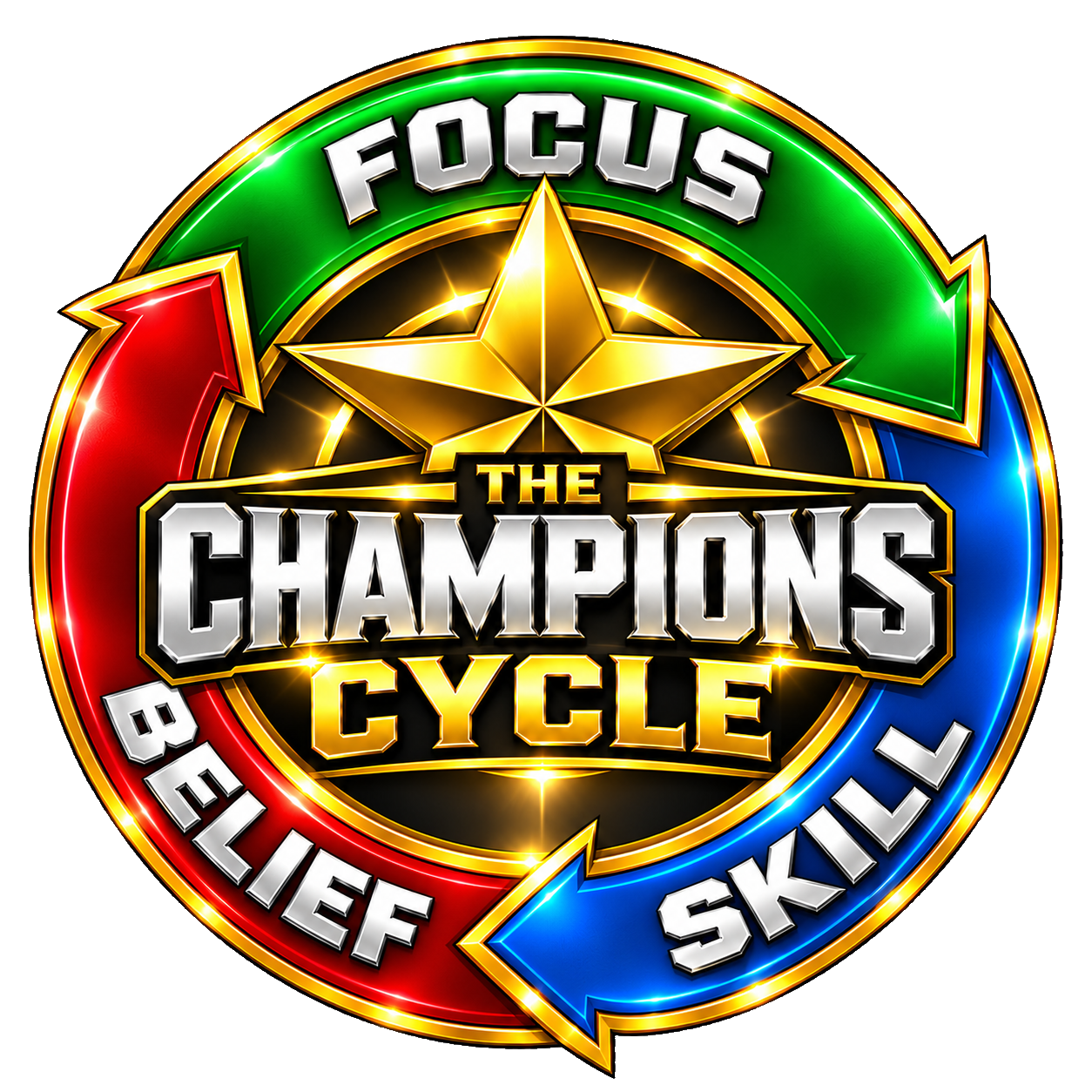
HOW WE DEVELOP IT
The Champions Cycle
We focus on something, practise until we develop the skill, and through our progress we develop belief. Every class follows the same three steps, whatever the lesson.
Repeat the cycle, and it becomes who you are.
More about the Champions Cycle →WHY WE DO IT · FROM CONSEQUENCE TO CHARACTER
The Behaviour Pyramid
Two children can be standing perfectly still, listening to their teacher. One is listening because they are worried about being corrected. The other is listening because they see themselves as a respectful person. The behaviour looks the same. The reason behind it is completely different.
Our job is to help every child move up the pyramid.
Obedience can disappear when the adult leaves the room. Character goes with the child.
At the top of the pyramid, a child sees themselves as a leader because that is who they are, not because someone is watching.
More about the Behaviour Pyramid →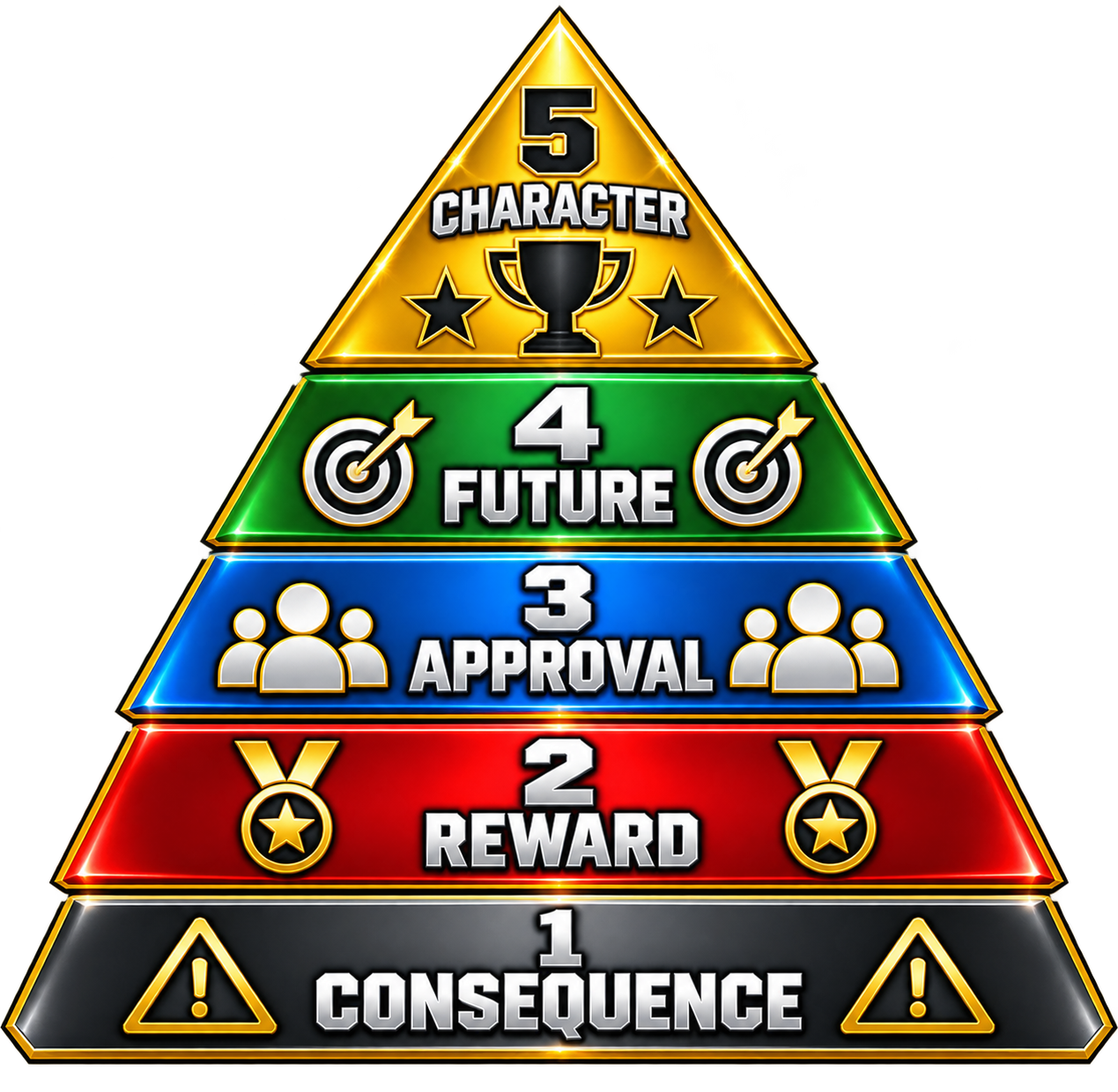
THE WHOLE FAMILY
Who you surround yourself with is who you become
That is why Champions Character involves the whole family. When parents learn the same lessons and use the same words at home, children see themselves the way we help them see themselves in class.

Want this for your child?
Tell us where you are and what you are looking for. We will let you know about classes near you, our online classes, or how we can visit your child’s school.
We will only use your details to reply to your enquiry. See our Privacy Policy.