WHAT IS HONOUR?
Your word is a promise
Honour means doing what you said you would do: turning up, finishing the job, telling the truth and owning your mistakes.
Every promise kept builds trust with others. Just as importantly, it builds trust in yourself: “When I say I’ll do something, I do it.”
Breaking your word
- “I said I would, but I didn’t feel like it.”
- “It wasn’t my fault.”
- “I’ll do it tomorrow.”
- “Nobody will notice.”
Keeping your word
- “I said I would, so I will.”
- “That was my mistake. I’m sorry.”
- “I’ll finish what I started.”
- “People can count on me.”
THE PHRASE CHILDREN TAKE HOME
Keep your word
Small promises kept, again and again, are how trust is built.
WHAT HAPPENS IN CLASS
One core move. One life lesson.
Each week has one core move, taught well. Honour is taught through [the core move for this lesson], alongside the fundamentals every student practises.
HOW THIS LESSON HELPS YOUR CHILD
One lesson, many skills
Like lifting a weight works the main muscle and the muscles that keep you steady, each lesson builds one main set of skills and many more alongside it.
The main muscle
Worked alongside
A STORY THAT SHOWS IT
A promise to turn up
A student promises their instructor they will come to every class until their next grading. Some weeks it is raining, they are tired, or their friends are doing something more fun.
They come anyway, because they said they would. When they step up for their grading, the new belt means more than a new colour. It proves they are someone who keeps their word.
WHAT YOU WILL NOTICE
At home and at school
- They do what they said they would
- They own up to mistakes
- They say sorry properly
- They turn up on time
- They are trusted with more responsibility
HOW YOU CAN HELP AT HOME
Keep your word together
- Keep your promises to them, big and small
- When they promise something, gently hold them to it
- Praise them when they own a mistake
- Help them think before they make a promise
- Talk about the people you trust, and why
THE CHAMPIONS METHOD
How every lesson is taught
Honour is one of nine lessons on the Champions Path. All nine are taught the same way, and for the same reason.
HOW WE DEVELOP IT
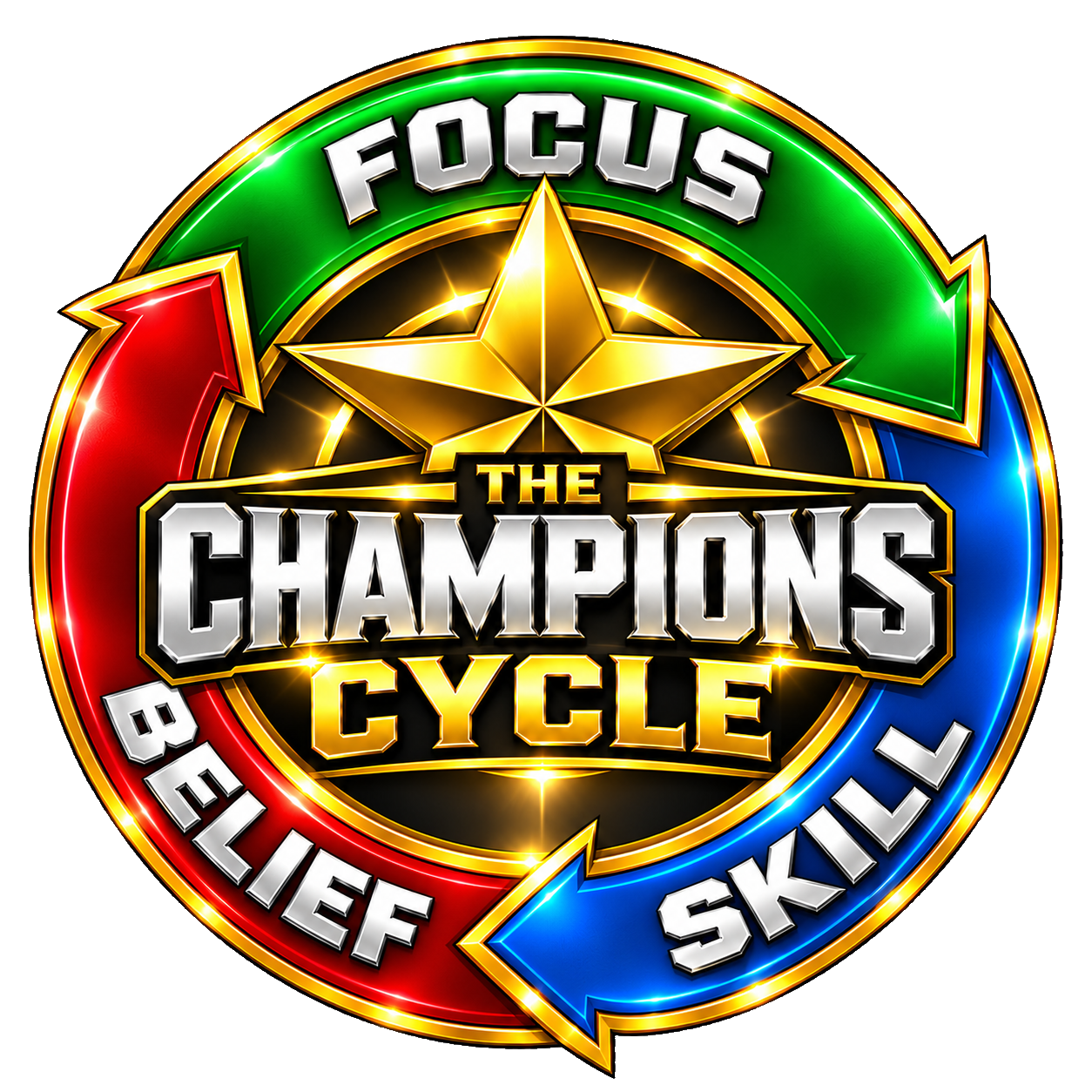
The Champions Cycle
We focus on something, practise until we develop the skill, and through our progress we develop belief. Every class follows the same three steps, whatever the lesson.
Repeat the cycle, and it becomes who you are.
More about the Champions Cycle →WHY WE DO IT · FROM CONSEQUENCE TO CHARACTER
The Behaviour Pyramid
Two children can be standing perfectly still, listening to their teacher. One is listening because they are worried about being corrected. The other is listening because they see themselves as a respectful person. The behaviour looks the same. The reason behind it is completely different.
Our job is to help every child move up the pyramid.
Obedience can disappear when the adult leaves the room. Character goes with the child.
At the top of the pyramid, a child keeps their word because that is who they are, not because someone is watching.
More about the Behaviour Pyramid →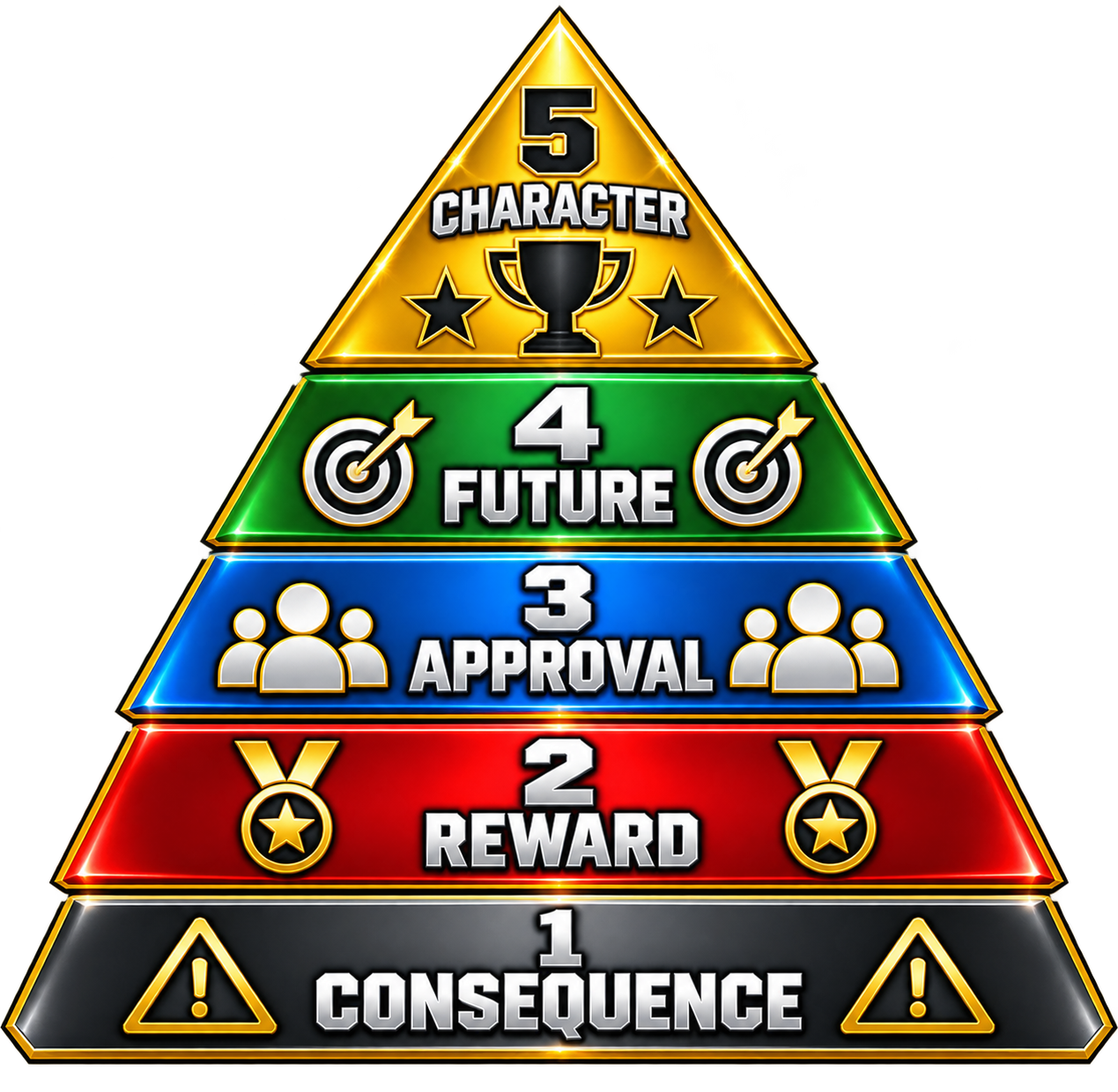
THE WHOLE FAMILY
Who you surround yourself with is who you become
That is why Champions Character involves the whole family. When parents learn the same lessons and use the same words at home, children see themselves the way we help them see themselves in class.

Want this for your child?
Tell us where you are and what you are looking for. We will let you know about classes near you, our online classes, or how we can visit your child’s school.
We will only use your details to reply to your enquiry. See our Privacy Policy.